Yoga Nidra vs. a Regular Nap: What's Actually Different?
Quick Answer: Yoga nidra keeps your brain in a guided, semi-conscious state between waking and sleep using structured verbal guidance, while a regular nap allows you to fall into actual sleep stages — nidra tends to produce faster mental restoration without sleep inertia, while napping is better for genuine physical sleep debt recovery.
They look nearly identical from across the room, but the underlying brain states are meaningfully different — and that difference affects which one actually helps depending on what you need.
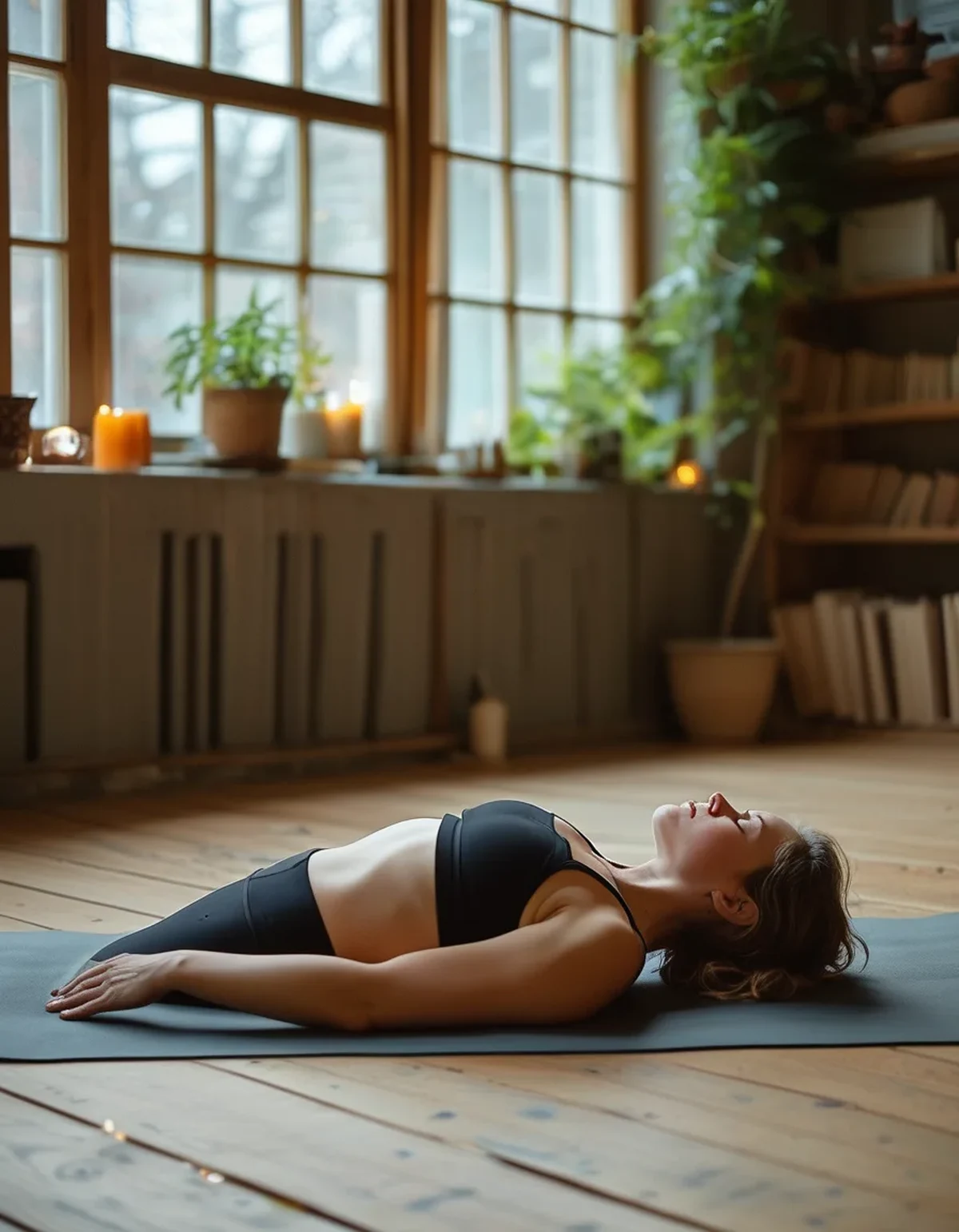
What’s actually happening in the brain during yoga nidra versus a nap?
Yoga nidra keeps you in a hypnagogic state — the threshold between waking and sleep — guided by structured verbal instructions that prevent you from fully dropping into sleep. A nap allows your brain to progress into actual sleep stages, including potentially deep sleep if the nap runs long enough, which is a fundamentally different neurological process.
Why do people wake up groggy from naps but not from yoga nidra?
Sleep inertia — the grogginess after waking from deep sleep stages — is a known nap side effect, especially for naps over 30 minutes that dip into deep sleep. Yoga nidra’s guided, semi-conscious state largely avoids the deep sleep stages that cause this grogginess, which is why practitioners often report feeling clear and alert immediately after, rather than needing a recovery period.
Does yoga nidra work for people who struggle to nap or fall asleep easily?
Yes, often better than napping for this group — since yoga nidra doesn’t require actually falling asleep to be effective, people who lie awake frustrated during attempted naps often find nidra’s structured guidance easier to settle into, because there’s a voice guiding attention rather than open, unstructured lying-still time.
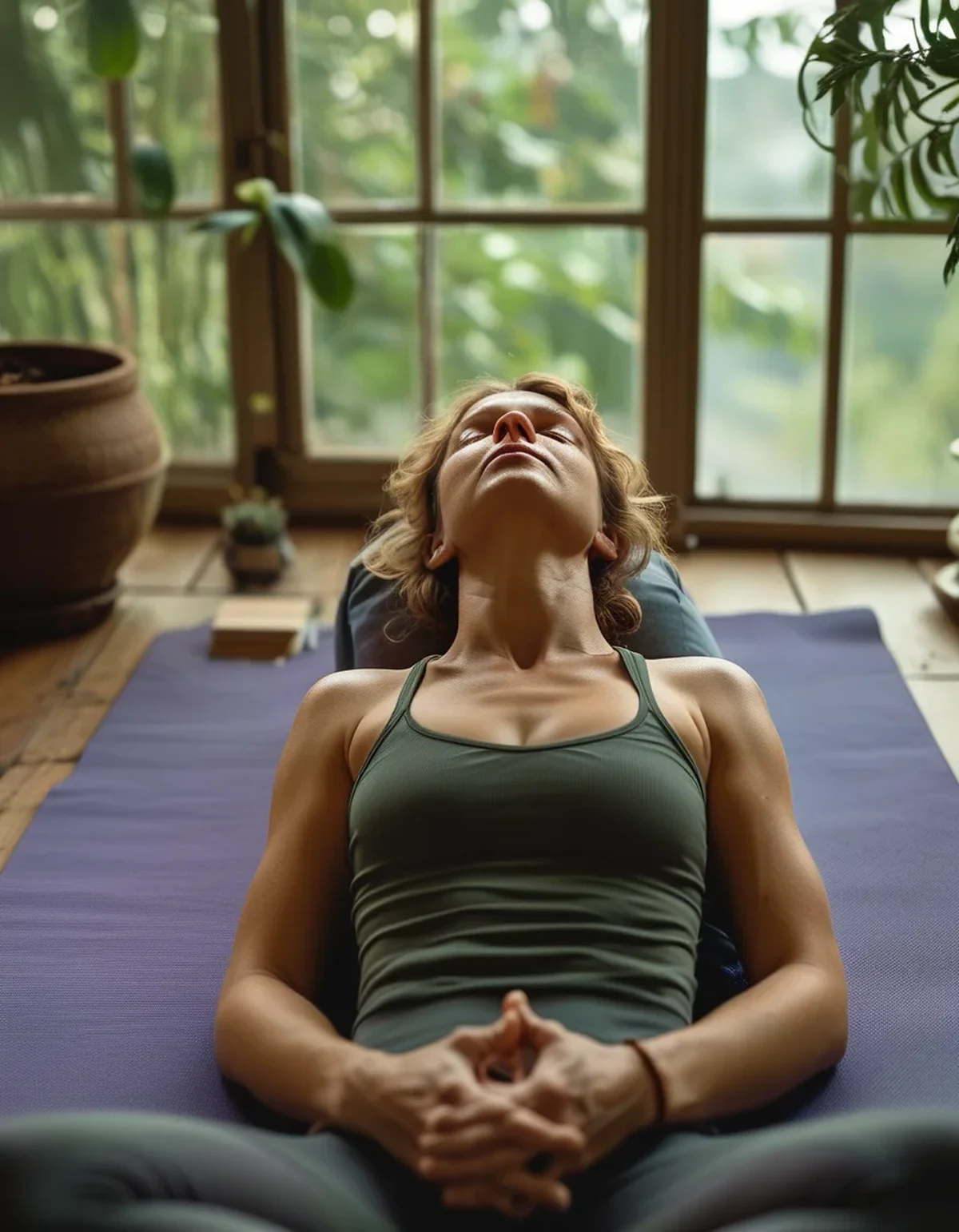
Q&A: Nidra vs Nap for Different Goals
Which is better for pure sleep debt recovery?
A nap, especially if you’re genuinely sleep-deprived — actual sleep stages, even briefly, provide restorative processes that a wakeful-adjacent nidra state doesn’t fully replicate.
Which is better for a midday mental reset without grogginess risk?
Yoga nidra — the avoidance of deep sleep stages means a much lower risk of post-session grogginess, which matters if you need to be sharp again quickly.
Can you do yoga nidra right before an important task or meeting?
Generally yes, more safely than a nap — the lower sleep-inertia risk makes it a more predictable choice when you need reliable, immediate alertness afterward.
Does time of day change which one makes more sense?
For most people, naps work best earlier in the day (before 3pm) to avoid disrupting nighttime sleep, following standard nap-timing guidance. Yoga nidra has more flexible timing since it’s not inducing actual sleep, making it usable later in the day without the same nighttime sleep interference risk.
FAQ: Yoga Nidra vs Napping Questions, Answered
Is yoga nidra a replacement for needed sleep?
No — it’s a complementary practice for mental restoration and relaxation, not a substitute for adequate nighttime sleep if you’re dealing with actual sleep deprivation.
How long should a yoga nidra session be compared to a nap?
Most yoga nidra sessions run 20-45 minutes, similar to nap length, though the structured guidance means the time is used differently even at the same duration.
Can doing yoga nidra too often affect nighttime sleep the way napping can?
Generally less likely, since it doesn’t induce the same sleep-stage progression a nap does, but very late-day sessions close to bedtime could still affect some people’s ability to wind down.
TL;DR:
- Yoga nidra keeps the brain in a guided semi-conscious state; napping allows actual sleep stages
- Nidra largely avoids the sleep inertia (grogginess) that longer naps can cause
- Naps are better for genuine sleep debt recovery; nidra is better for a fast midday mental reset
- Nidra’s flexible timing makes it usable later in the day without disrupting nighttime sleep
Keep Reading
This article is for general informational purposes only and is not medical advice. Always consult a qualified health professional for guidance specific to you.