The Questions Everyone Actually Asks About Yoga Nidra (Answered Honestly)
Quick Answer: Yoga nidra is a guided relaxation practice done lying down, typically 20-45 minutes long, aimed at reaching a state between waking and sleep. Most common questions center on whether falling fully asleep ‘ruins’ it (it doesn’t, though you miss some benefit), whether it counts as exercise (it doesn’t, physically), and how it differs from meditation (it’s more structured and passive).
Yoga nidra gets described in vague, almost mystical language a lot of the time, which makes the very practical questions people actually have harder to find straight answers to. Here they are, answered directly.

Does it matter if I fall completely asleep during the practice?
Does falling asleep during yoga nidra mean I did it wrong?
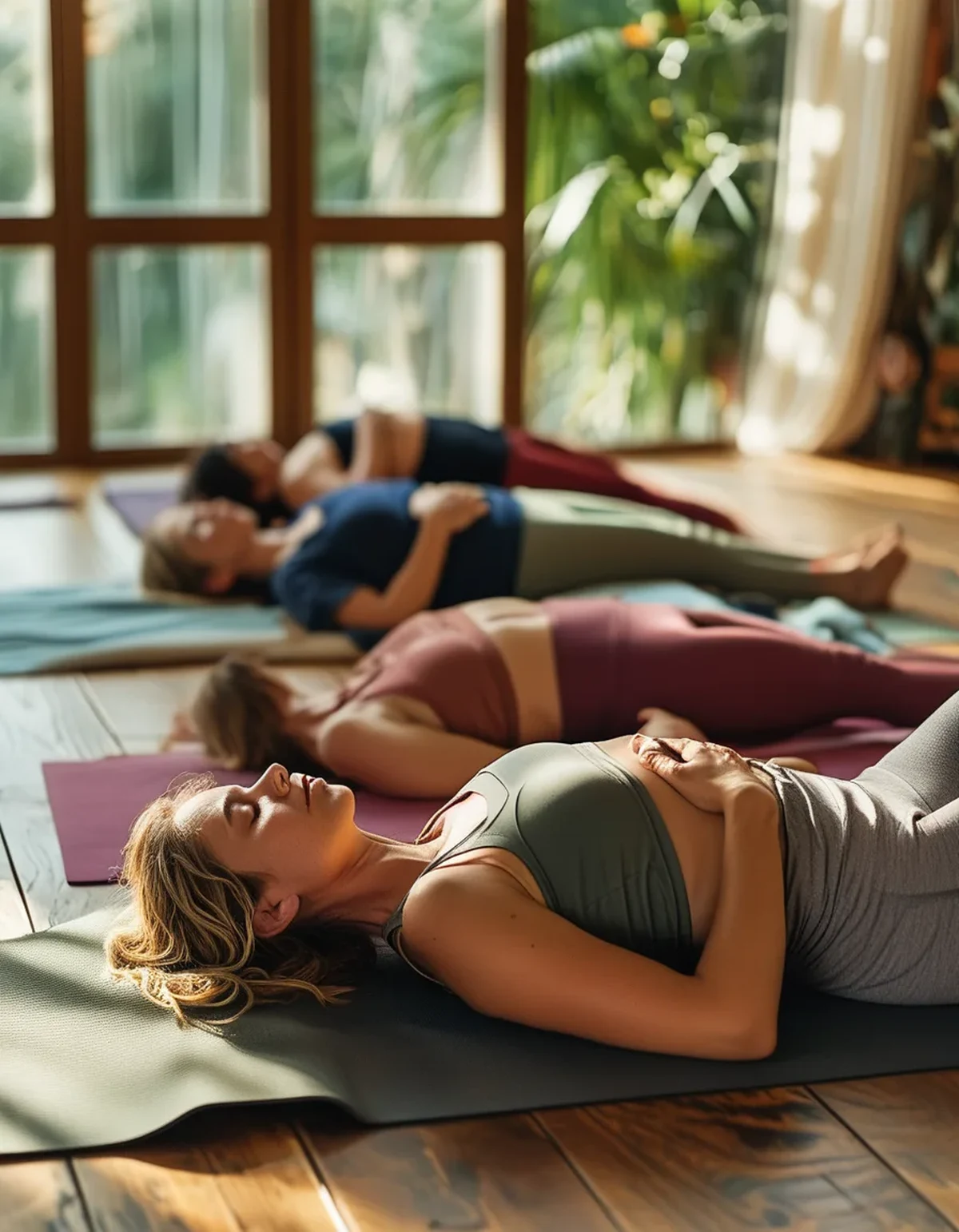
No — falling asleep is common, especially for beginners or anyone sleep-deprived, and it doesn’t ‘ruin’ the session. You likely get real rest either way, though you miss out on the specific benefit of consciously observing the transition into deep relaxation, which some practitioners consider the core skill being trained over time.
Is yoga nidra actually a workout in any physical sense?
Does yoga nidra count as exercise or physical activity?
No, it involves lying still with no physical exertion, so it doesn’t replace movement-based exercise or count toward activity goals. Its benefits are centered on nervous system regulation, stress reduction, and rest — a different category of benefit than cardiovascular or strength training entirely.
How is it actually different from regular meditation?
What’s the real difference between yoga nidra and meditation?
Yoga nidra is more structured and passive — you follow a guided script through body awareness, breath, and visualization while lying down, whereas many meditation styles involve active, seated attention training (like focusing on breath or a mantra) without a scripted narration. Neither is ‘better’; they work through different mechanisms and some people find yoga nidra more accessible precisely because it requires less active effort to sustain.
Can you actually get real rest benefit from it, or is that overstated?
Does yoga nidra actually provide meaningful rest, or is that just marketing?
Early research suggests yoga nidra can measurably reduce cortisol and shift the nervous system toward a parasympathetic, rest-oriented state, which lines up with why many people report feeling unusually refreshed after a session, even a short one. It’s not a replacement for adequate nighttime sleep, but the research on its stress-reduction effects is genuinely more substantial than for many wellness trends making similar claims.
Myth vs Fact: Yoga Nidra
Myth: You need a special yoga background to try yoga nidra. Fact: It’s entirely guided by voice and requires no yoga poses or prior experience — you simply lie down and follow along.
Myth: Every session should feel the same. Fact: How deep you go, whether you stay aware or drift into sleep, and how it feels can vary session to session based on how rested or stressed you already are.
What Nobody Tells You About Starting Yoga Nidra
Nobody mentions that the first several sessions often feel restless rather than deeply calming, since staying passively aware without falling asleep or getting mentally distracted is a genuine skill that takes practice. It’s also rarely said that time of day changes the experience significantly — an afternoon session is more likely to result in staying consciously aware throughout, while a bedtime session is more likely to slide into actual sleep, and neither outcome is a failure.
30-Second Recap
Yoga nidra is a guided, lying-down relaxation practice, not a physical workout, and falling asleep during it doesn’t cancel out the benefit. It’s structurally different from seated meditation, backed by real (if still developing) research on stress reduction, and requires no prior experience to start.
TL;DR:
- Falling asleep during yoga nidra doesn’t ruin the session’s rest benefit
- It’s not physical exercise — no movement or exertion is involved
- It’s more structured and passive than most seated meditation styles
- Research supports real stress-reduction and nervous-system benefits, even short-term
- The first few sessions often feel restless before the practice starts to click
Most of what makes yoga nidra confusing is the vague language around it — the practice itself is more concrete and low-barrier than it sounds.
Keep Reading
This article is for general informational purposes only and is not medical advice. Always consult a qualified health professional for guidance specific to you.