Yoga Nidra: Rest Deeper Than Sleep
Yoga nidra — lying down while a voice guides you to the edge of sleep — sounds like a nap with extra steps and works like something else entirely: a systematic deep-rest protocol that neuroscience recently rebranded as NSDR. The practice for the tired-but-can’t-nap, explained.

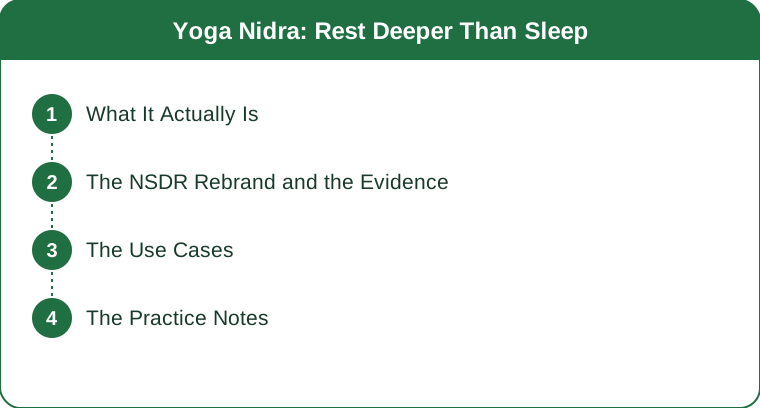
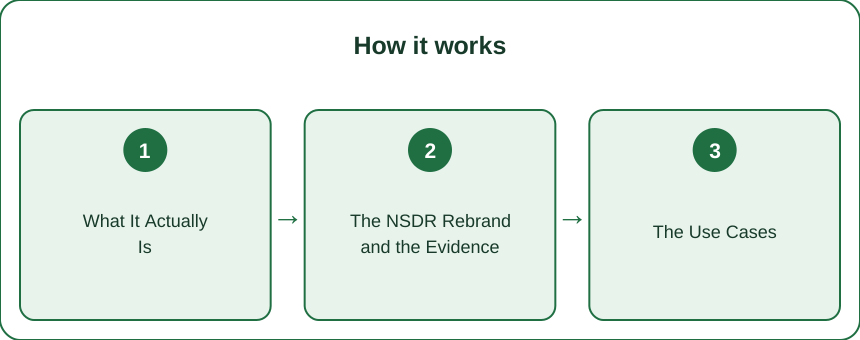
What It Actually Is
The format: you lie down (savasana, blanket, eye pillow — comfort is the technique), and a guided recording walks you through a fixed sequence: body scan (attention rotating through the body part by part), breath awareness, and guided imagery — 10 to 45 minutes at the boundary between waking and sleep. The crucial distinction from meditation: no effort, no posture, nothing to hold — the practice is systematic LETTING GO, which is why people who fail at meditation routinely succeed here (the sound-bath accessibility principle, with more structure).
The NSDR Rebrand and the Evidence
The science angle: NSDR (non-sleep deep rest — the neuroscience-podcast term that introduced yoga nidra to millions) describes the same practice, and the research is respectable: studies show reduced stress and anxiety markers, improved sleep quality, and brain-imaging work showing deep-relaxation states with maintained awareness — plus the dopamine-restoration findings that made the rebrand famous. The honest framing: a young research field with consistent positive signals — and thousands of years of practitioners filing the same report.

The Use Cases
When to deploy it: the afternoon crash (20 minutes of nidra as the nap-replacement — no sleep inertia, no grogginess; the tired-but-wired state it handles is exactly the one naps fumble), the pre-sleep runway (the extended-exhale and nidra stack is the insomnia toolkit’s gentlest wing — many practitioners simply fall asleep to it, which counts), the recovery day (the restday world’s deepest tool — nervous-system recovery for overtrained bodies), and the frazzled-caregiver tier (rest that requires only lying down and pressing play is rest that actually happens).
The Practice Notes
Getting started: guided recordings are the practice (the free ecosystem is enormous — search yoga nidra or NSDR at your preferred length; voices matter, audition a few), timing flexibly (morning nidra energizes, afternoon rescues, evening sedates — same practice, dose-dependent effect), falling asleep is legal (the practice self-adjusts: if you slept, you needed sleep; if you hovered, you got the nidra state — both are wins), and the consistency curve (like breathwork, the practice deepens with familiarity — the tenth session drops you faster than the first). The pitch survives scrutiny: twenty minutes of doing absolutely nothing, systematically — and walking away restored.
Lie down, press play, let the voice do the work, sleeping counts. Yoga nidra is rest with a structure — and the structure is why it works when naps and willpower don’t.
Keep Reading
This article is for general informational purposes only and is not medical advice. Always consult a qualified health professional for guidance specific to you.