Why the Narrator's Voice Changes How Deep Your Yoga Nidra Practice Actually Goes
Quick Answer: Yoga nidra relies on sustained auditory attention with almost no other sensory input, so the narrator’s pace, tone, and pitch have an outsized effect compared to other guided practices — a voice that’s mismatched to your nervous system can keep you alert instead of letting you drop into the practice, regardless of how good the script itself is.
You’ve tried the ‘best’ yoga nidra apps everyone recommends and somehow stayed wide awake and slightly irritated the whole time, while a random free recording someone shared put you under in ten minutes. That’s not you doing it wrong.
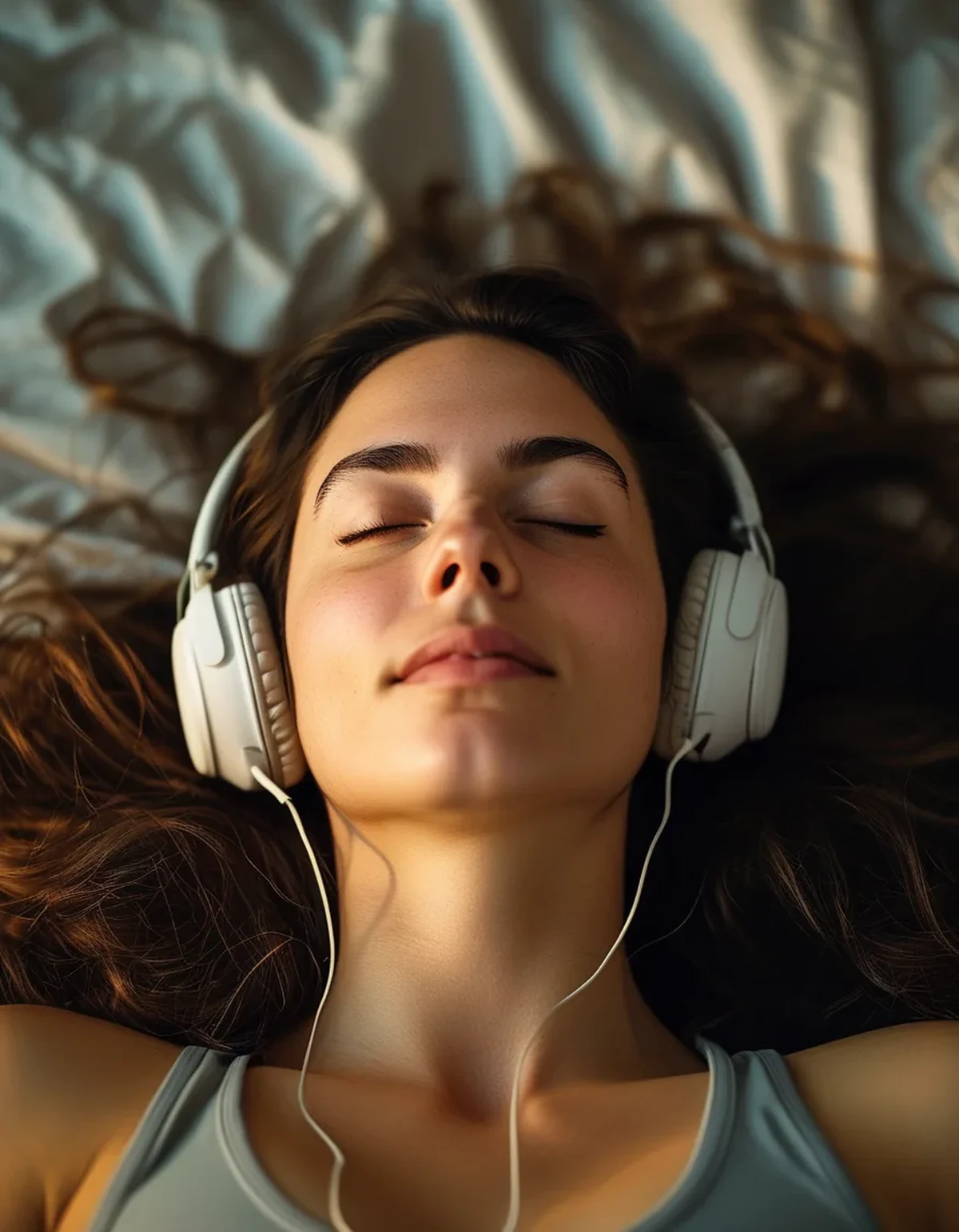
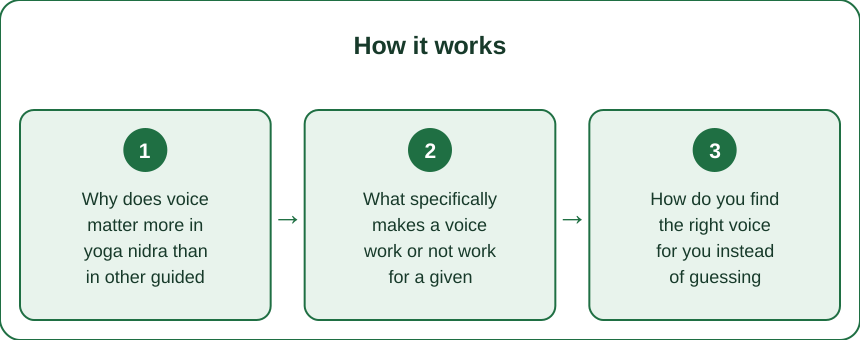
Why does voice matter more in yoga nidra than in other guided practices?
In most guided meditation or movement practices, you have visual or physical feedback alongside the audio. Yoga nidra strips almost all of that away — you’re lying still, eyes closed, with the narrator’s voice as close to the only sensory input running the whole 20-45 minutes.
That makes tone, pacing, and pitch carry far more weight than they would in, say, a guided yoga flow where you’re also tracking your own movement.
What specifically makes a voice work or not work for a given person?
Pacing matters most — a narrator who leaves long pauses between cues tends to work better for people whose minds wander and need space to settle, while a narrator with tighter, more continuous cueing works better for people who lose the thread during silence and start problem-solving instead of relaxing.
Pitch and cadence are more individual — some nervous systems respond better to lower, slower voices; others find a flatter monotone voice harder to stay engaged with, and drift into planning mode instead of the practice.
Does gender of the narrator’s voice make a measurable difference?
Not in any consistent, universal way — it’s much more about pacing and tone than the voice’s gender specifically, and preference here varies a lot person to person.
How do you find the right voice for you instead of guessing repeatedly?
Try 3-4 different narrators on the exact same night, back to back if needed, rather than judging a whole app or teacher off one groggy attempt. The variable you’re actually testing is pacing and tone fit, and a single sleepy or distracted session isn’t a fair test of that.
Notice specifically whether your mind stayed with the voice or wandered off into its own thoughts — that’s the clearest signal of a pacing mismatch, more useful than whether you ‘liked’ the voice generally.
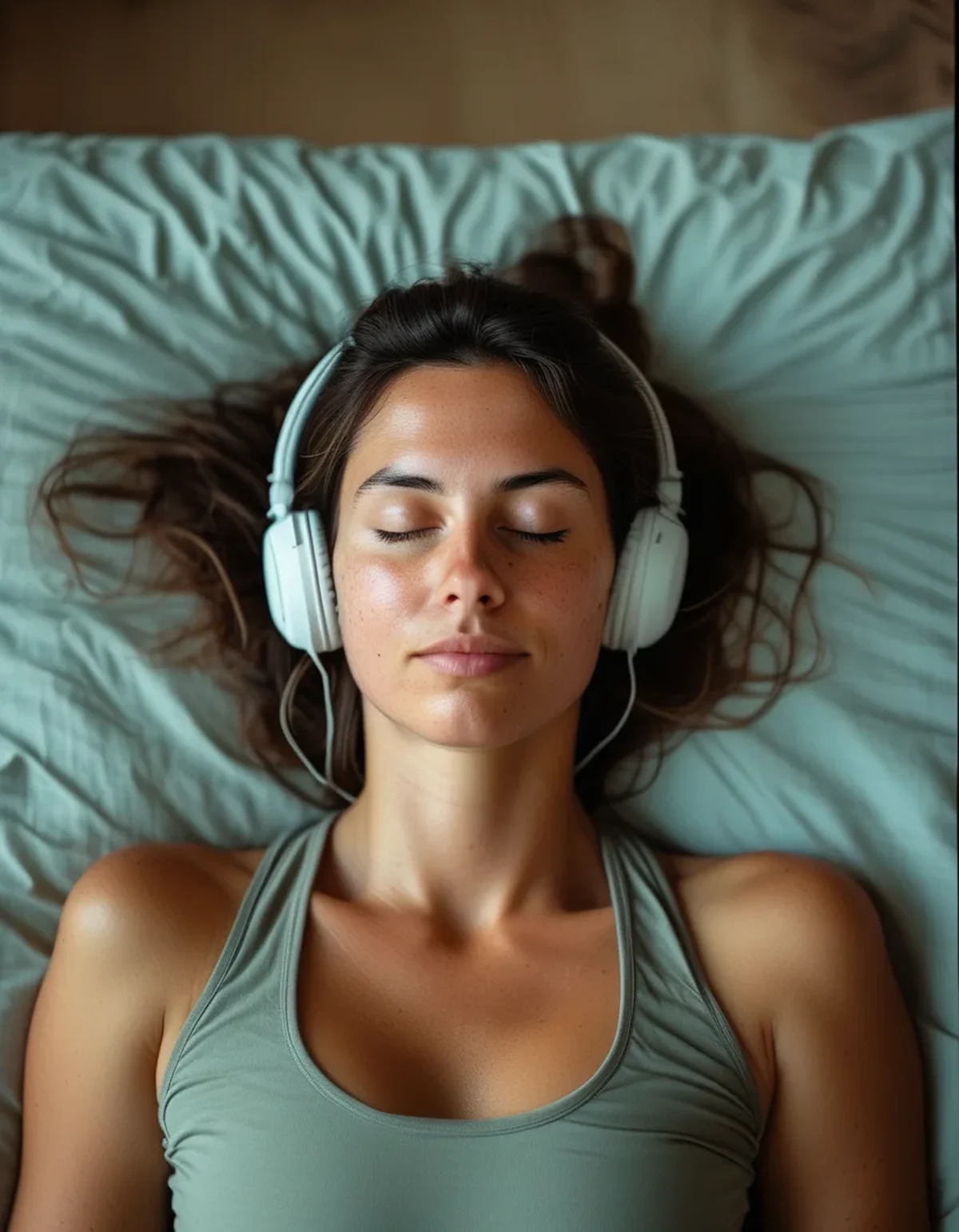
Does a mismatched voice mean yoga nidra ‘doesn’t work’ for you?
No — this is one of the most common reasons people give up on yoga nidra after one or two tries, concluding the practice itself doesn’t work for them, when the actual issue was a voice or pacing mismatch with that particular recording.
Switching narrators before switching practices entirely solves this for a large share of people who initially write off yoga nidra as ineffective.
Is it worth learning to guide yourself instead of relying on a recording?
For some people, yes — once you know the general structure (body scan, breath awareness, intention setting, return), a self-guided version removes the voice-matching problem entirely, though it requires enough familiarity with the practice to hold the sequence without needing external cueing.
This works better as a second stage, after guided practice with a well-matched voice has taught your nervous system what the state actually feels like.
FAQ: Yoga Nidra Voice and Narrator Questions, Answered
Should I stick with one narrator once I find one that works?
Many people do, since consistency itself becomes part of the relaxation cue — the voice becomes associated with the state, which can deepen the effect over repeated sessions.
Does a live class narrator work differently than a recorded one?
Some people find live sessions slightly more effective due to the ability to adjust pacing to the room, though a well-matched recording works just as well for most.
Is background music or silence better alongside the narrator’s voice?
This varies by person — some find music another point of distraction competing with the voice, while others find it helps mask outside noise; testing both with the same narrator is the fastest way to know your own preference.
TL;DR:
- Yoga nidra removes most sensory input except the narrator’s voice, making pacing and tone carry outsized weight
- Try several narrators on the same night rather than judging a whole app off one groggy try
- A mismatched voice is a common, fixable reason people wrongly conclude the practice ‘doesn’t work’ for them
- Once a voice fits, learning to self-guide can remove the matching problem entirely
The practice isn’t broken if it hasn’t worked yet — the voice guiding it might just be the wrong fit.
Keep Reading
This article is for general informational purposes only and is not medical advice. Always consult a qualified health professional for guidance specific to you.