Can Yoga Nidra Actually Calm Anxiety? What the Practice Does and Doesn't Do
Quick Answer: Yoga nidra can meaningfully lower baseline anxiety over regular practice by shifting the body toward a parasympathetic (rest-and-digest) state — but it’s a preventive, practiced-over-time tool, not an in-the-moment fix for an active panic spike. For acute anxiety, simpler grounding techniques work faster than a 20-30 minute nidra session.
Anxiety and yoga nidra get paired together constantly, but the practice works on a different timescale than most people expect. Understanding which kind of anxiety it actually helps saves you from reaching for the wrong tool at the wrong moment.
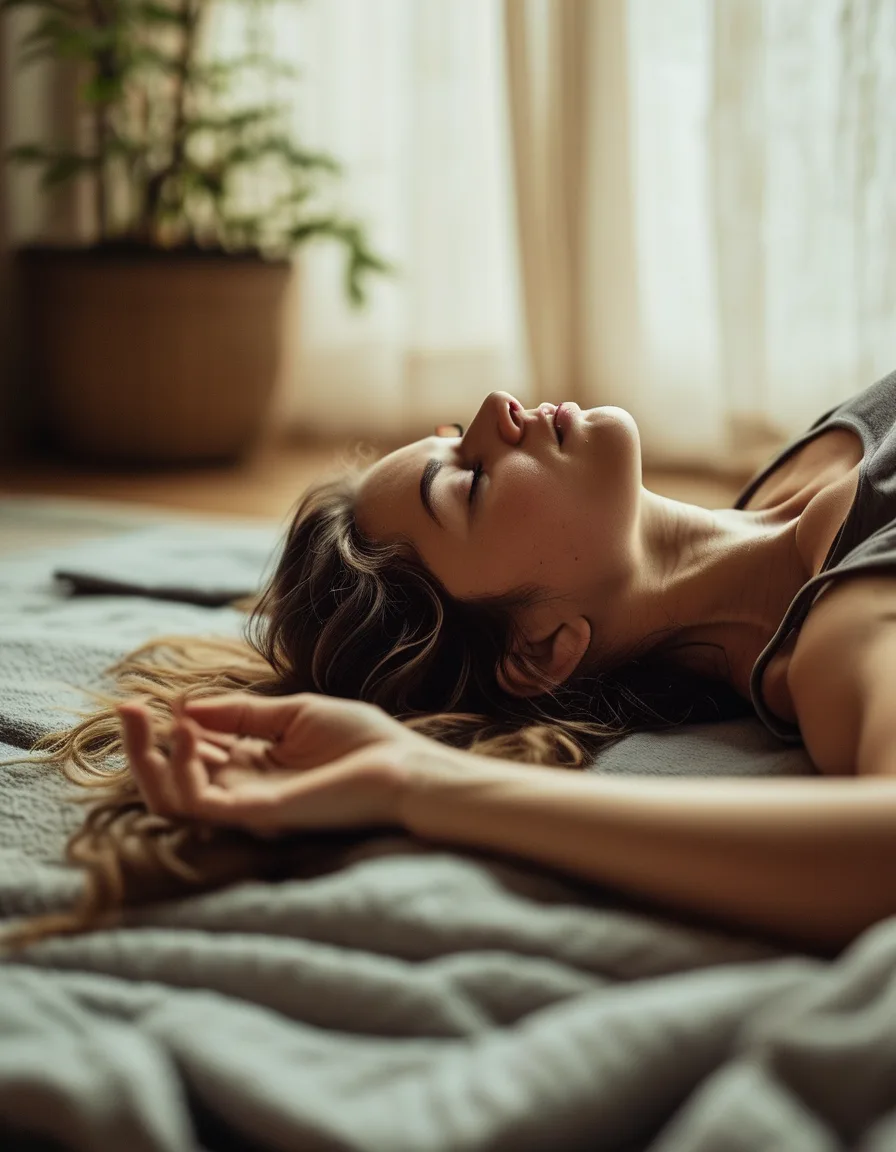
How does yoga nidra actually affect anxiety?
Yoga nidra guides you through a structured body scan and breath awareness that shifts the nervous system toward parasympathetic dominance — the physiological opposite of the sympathetic ‘fight or flight’ state anxiety runs on. Practiced regularly, this can lower baseline cortisol and improve heart rate variability, both markers associated with reduced overall anxiety reactivity over weeks.
The key word is regularly — this is a cumulative, trained effect, closer to how consistent exercise lowers resting heart rate over months than to how a fast-acting medication works in minutes.
Is it useful during an actual anxiety spike?
Less than people hope. A full nidra session runs 20-45 minutes and requires lying still and following a guided script — genuinely difficult when your nervous system is already activated and racing. For an acute spike, faster grounding techniques (5-4-3-2-1 senses check, box breathing, cold water on the wrists) work quicker because they need less sustained attention.
Nidra shines in the hours before anxiety typically peaks — a bedtime practice for racing thoughts at night, or a midday session on a day you know will be stressful, used preventively rather than reactively.
What Nobody Tells You About Nidra and Anxiety
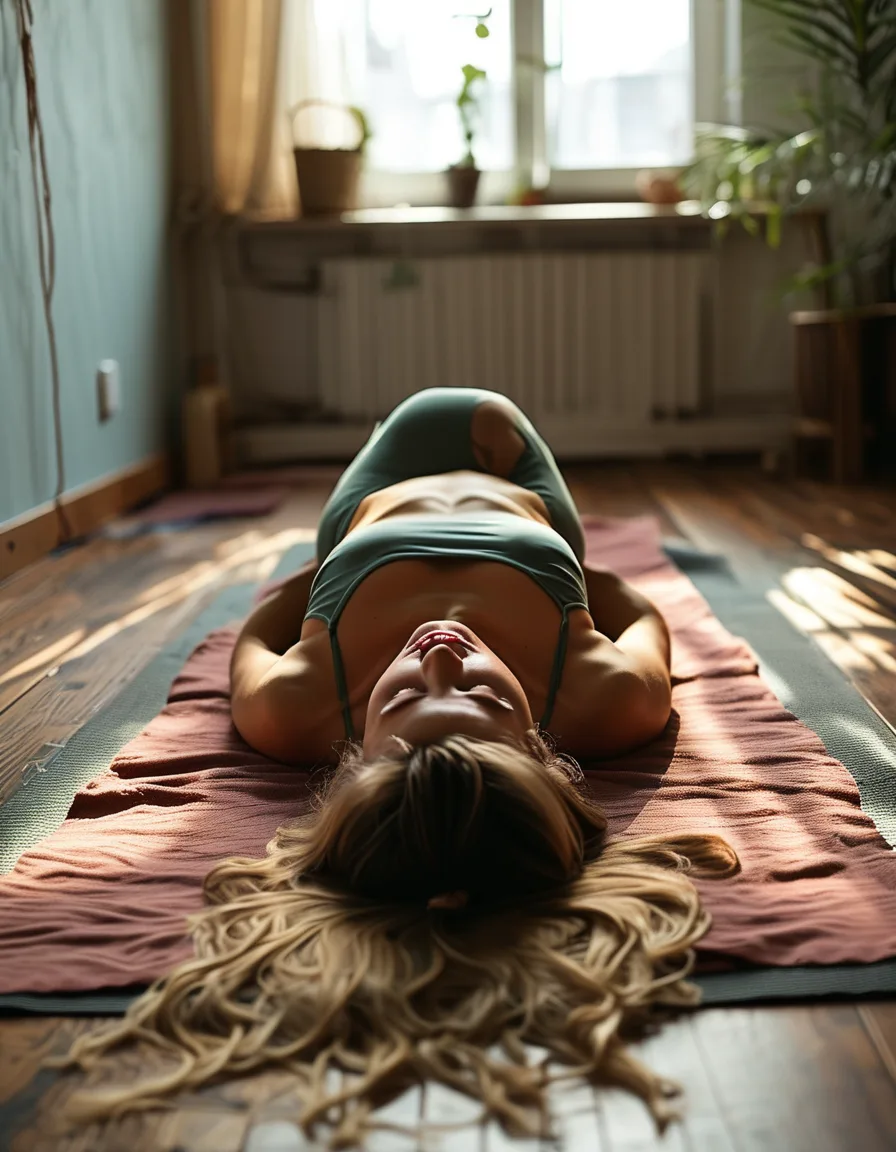
Here’s the part that surprises people: for some, especially those with a trauma history, lying still with eyes closed and reduced control can initially increase anxious feelings rather than calm them. This is common enough that it has a name in trauma-informed yoga circles, and it doesn’t mean nidra is wrong for you — it means starting with eyes open, shorter sessions (10 minutes), and a seated rather than lying position until your nervous system trusts the stillness.
If a full lying-down practice ever feels more agitating than calming, that’s useful information, not a failure — modify the format rather than pushing through it.
FAQ: Yoga Nidra and Anxiety Questions, Answered
How often do I need to practice nidra to see an anxiety benefit?
Most people report noticing a shift after 2-3 weeks of practicing 3-4 times a week. Occasional use still helps sleep on the night itself, but the deeper anxiety-reactivity change is cumulative.
Can yoga nidra replace anxiety medication or therapy?
No — it’s a complementary practice, not a replacement for clinical treatment. If anxiety is significantly impacting daily life, that’s a conversation for a doctor or therapist first.
Is it normal to fall asleep during yoga nidra instead of staying aware?
Very common, especially early on or when sleep-deprived. It’s not ‘doing it wrong’ — though the specific relaxation-response benefits are strongest when you can stay in the drowsy-but-aware state rather than fully sleeping through it.
TL;DR:
- Nidra lowers baseline anxiety reactivity over weeks of regular practice, not instantly
- For an active panic spike, faster grounding techniques work better than a full session
- Lying still can initially increase anxiety for some — modify to seated, eyes open, shorter
- It’s complementary, not a replacement for therapy or medication when anxiety is significant
This is general information, not medical advice — for significant or worsening anxiety, loop in a professional alongside any practice.
Keep Reading
This article is for general informational purposes only and is not medical advice. Always consult a qualified health professional for guidance specific to you.