Yoga Nidra App vs. Live Class: Does It Actually Matter Which You Choose?
Quick Answer: App-guided yoga nidra works about as well as live sessions for most people, since the practice is primarily about following a verbal script into deep relaxation — voice quality and script pacing matter more than whether a human is physically present. The main real difference is consistency and personalization, not effectiveness.
You’ve wondered whether the $8/month app version ‘counts’ compared to the in-studio class down the street. It’s a fair question — yoga nidra is unusually dependent on the exact voice and pacing guiding you, more than most yoga styles.
Does yoga nidra actually need a live instructor?
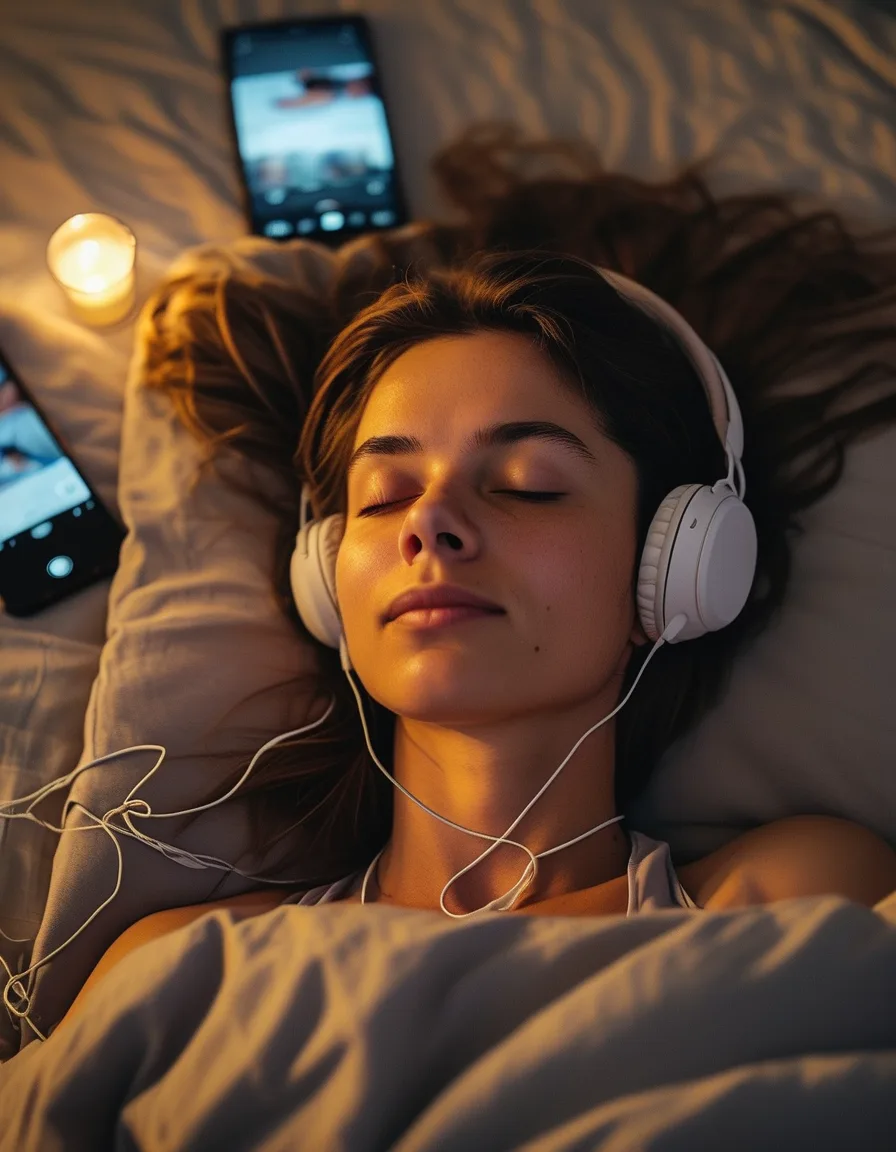
Not fundamentally, no. Yoga nidra is a scripted, guided relaxation practice — its mechanism is following spoken cues through body scanning and breath awareness into a hypnagogic state, not physical adjustment or spatial awareness like asana practice.
That makes it one of the yoga styles where a recorded voice works nearly as well as a live one, since the entire practice already happens with eyes closed and attention inward, not on watching a teacher.
What actually differs between app and live sessions?
Personalization and pacing feedback. A live instructor can sense the room’s energy and adjust pacing; an app plays the same script regardless of how your day went.
Consistency. Apps let you repeat the exact same script, which some research suggests may deepen the relaxation response over repeated sessions — familiarity reduces the small mental effort of following new instructions each time.
Accountability. A scheduled live class creates a commitment a solo app session doesn’t — worth factoring in if motivation, not technique, is your actual barrier.
What Nobody Tells You About Choosing a Nidra Practice
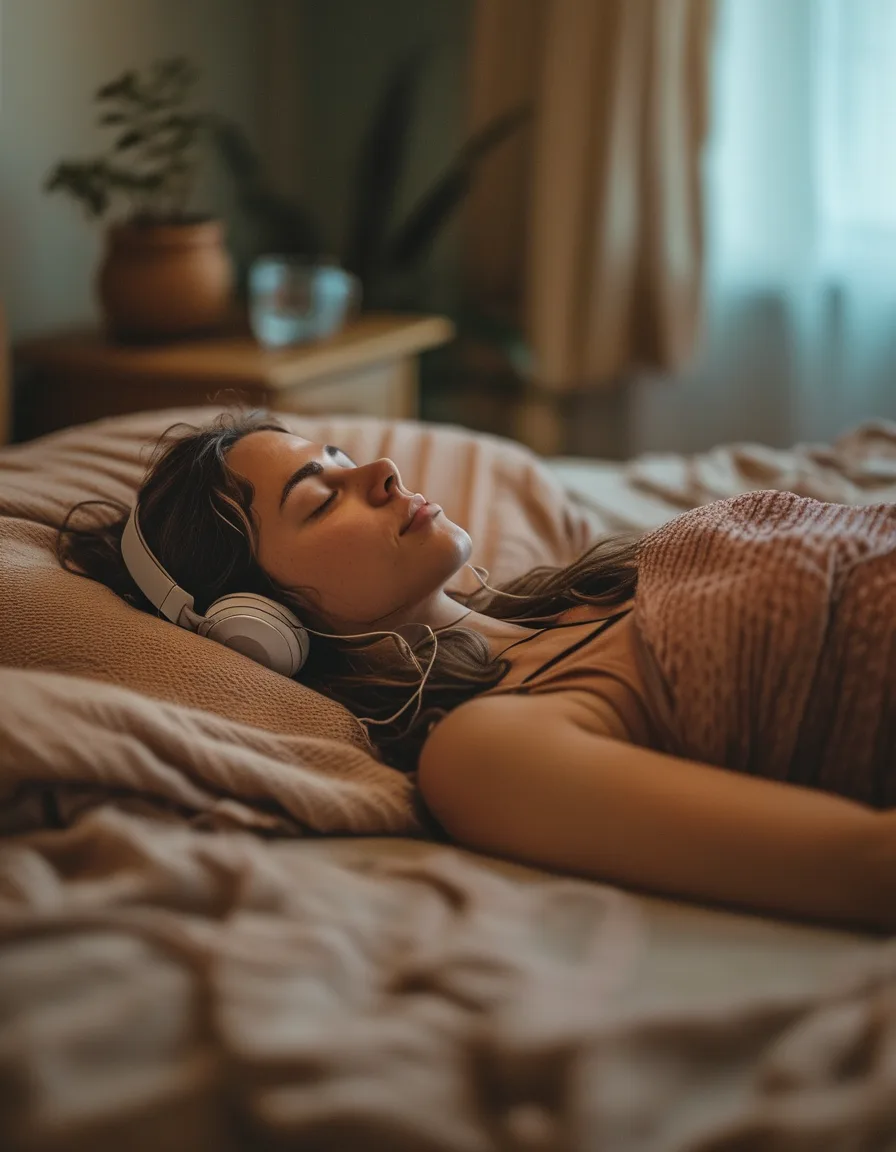
The biggest performance factor isn’t app vs. live — it’s voice fit. A script you find soothing works; one that grates (too fast, too chipper, wrong tone) will keep you alert instead of relaxed, regardless of the format.
Most people try 2-3 different voices or teachers before finding one that actually lets them drop in. Don’t judge yoga nidra as ‘not working for you’ until you’ve tried a different guide, app or human.
When does a live class actually have an edge?
Group settings for accountability — showing up to a scheduled class beats a phone notification for some people.
In-person troubleshooting — a live teacher can notice you’re restless and adjust prop suggestions or pacing in real time, which an app obviously can’t.
Community and ritual — some people’s relaxation response is partly tied to the social ritual of a shared room, not just the script itself. If that’s you, it’s a real factor, not a placebo.
FAQ: Yoga Nidra App vs Live Class Questions, Answered
Is a free yoga nidra app as good as a paid one?
Often yes for basic scripts — the content quality and voice fit matter more than price. Try free options first to find a voice that works before paying.
Can you do yoga nidra without any guide at all?
Advanced practitioners sometimes self-guide, but most people benefit significantly from a spoken script, especially early on — self-guiding usually means staying more alert than the practice intends.
Does it matter if you fall asleep during app-guided nidra?
Light drifting is normal and considered part of the process by many teachers; full sleep most sessions may mean you need more rest generally, or a slightly more alert time of day to practice.
TL;DR:
- App-guided nidra works about as well as live sessions for most people — it’s a scripted practice, not spatial instruction
- The real differences are personalization, consistency, and accountability, not effectiveness
- Voice fit matters more than format — try a few guides before judging the practice itself
- Live classes edge out for group accountability and real-time troubleshooting
Pick whichever format you’ll actually return to consistently — that beats the theoretically ‘better’ option you skip.
Keep Reading
This article is for general informational purposes only and is not medical advice. Always consult a qualified health professional for guidance specific to you.